Sustainability becomes a reality when goals lead to measurable changes. The following projects demonstrate how and in which areas Linde Material Handling puts its commitment into practice—from production and logistics to product development and concrete support for customers, users, and employees. They highlight how environmental, economic, and social factors interact.
March 2025
Conserve Resources
The New Forklift Generation: Systematic Sustainability
Linde MH’s new forklift generation combines resource-efficient production, a modular platform design, and high efficiency all the way to the customer.
June 2025
Conserve Resources
Weilbach Foundry: Resource Conservation with Weight
At the Weilbach plant, recycled iron becomes much more than just a counterweight: it’s the circular economy in action, with an eye toward the future.
February 2025
Good Employer
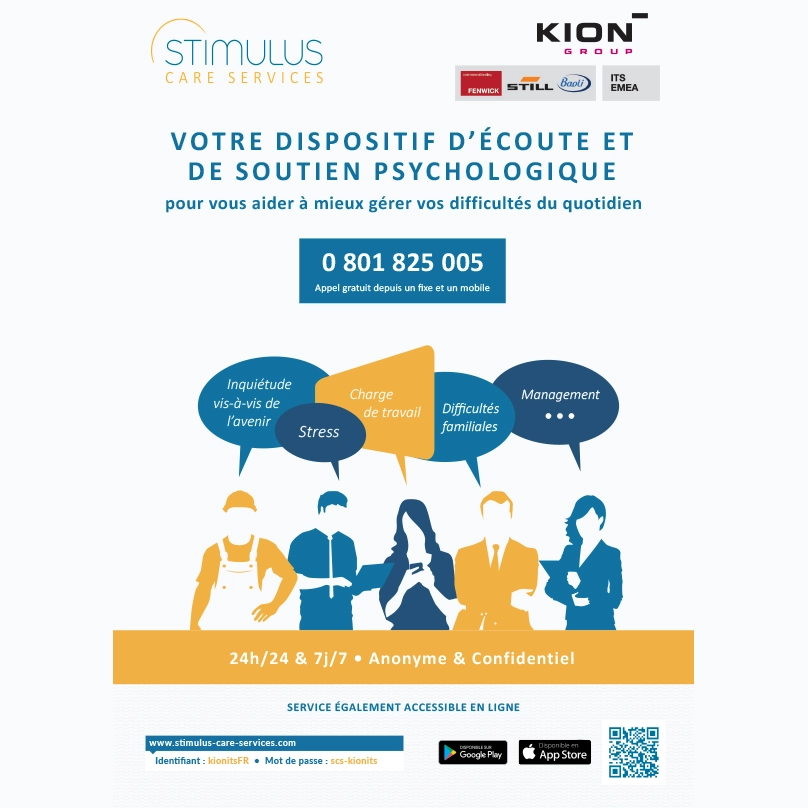
Stimulus: Confidential Support During Difficult Times
Through Stimulus, Linde MH offers confidential psychological support in France—accessible, professional, and open to everyone.
September 2025
Electrification
Electric Commercial Vehicles for Plant Logistics
With twelve electric commercial vehicles, Linde MH is expanding its plant logistics—making them more efficient, more powerful, and lower in CO2 emissions.
Live Cycle Assessment
LCAs as a Basis for Better Product Decisions
With LCAs and Product Carbon Footprints, Linde MH creates emissions transparency—and a solid basis for better decisions.
The New Forklift Generation: Systematic Sustainability
Conserve Resources
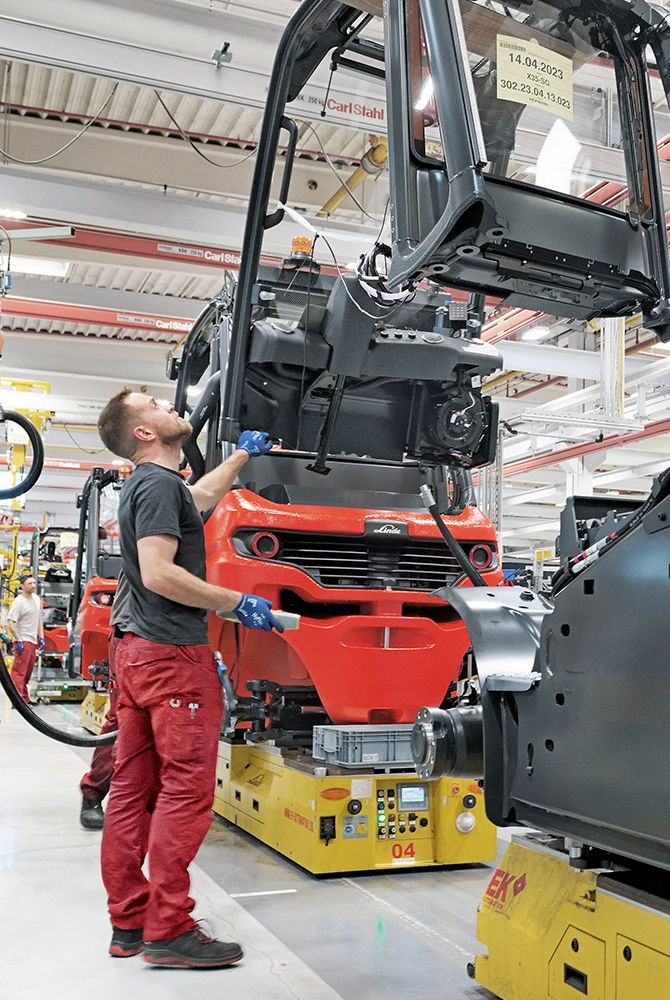
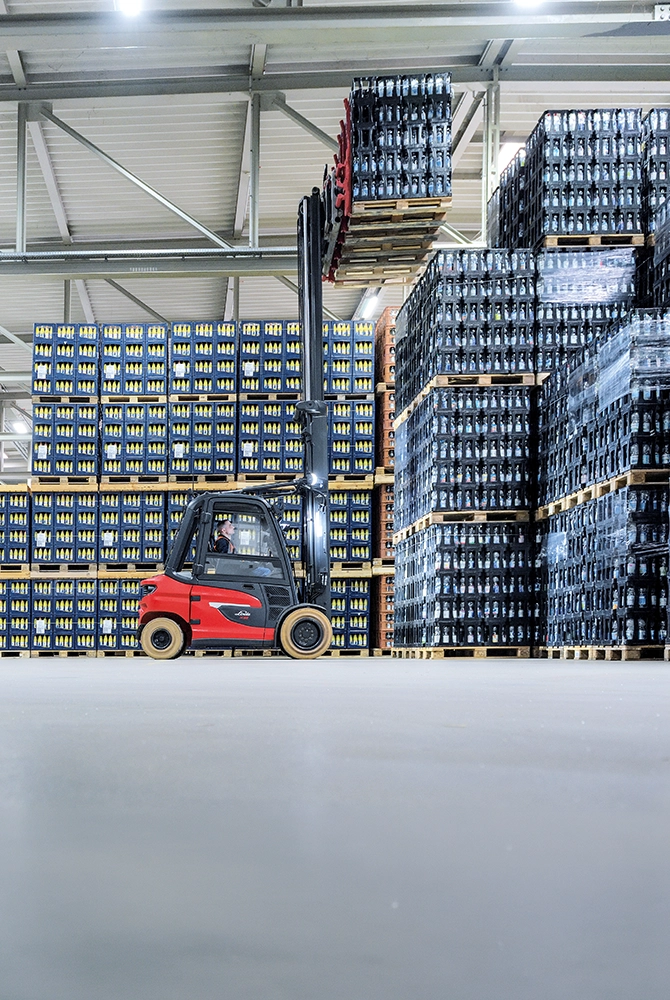
With the new forklift truck generation, Linde Material Handling demonstrates how sustainability can be systematically integrated into development, production, and operation. The foundation is a consistent platform concept that brings electric and internal combustion models together on just two mixed-assembly lines. Partly identical components, shorter transport routes, and a significantly reduced variety of parts lower the need for materials, tools, and energy. At the same time, production becomes more flexible, as output volumes and model variants can be managed more efficiently.
This resource-saving approach also continues in the product itself. The trucks are fully connected and provide the technical basis for remote services, digital diagnostics, and over-the-air software updates. This makes it possible to detect faults at an early stage, plan maintenance proactively, and avoid unnecessary service calls. As a result, downtime is reduced and truck availability is increased. In addition, a consistent designed-to-service principle ensures that service work can be carried out quickly, component replacement is kept to a minimum, and the trucks’ economic service life is extended.
For customers, this means not only lower operating costs and high availability, but also tailored solutions through digital features that can be activated as needed. In this way, the new generation combines environmental responsibility and economic value in a particularly effective way—from resource-efficient production to durable, intelligently connected trucks in daily operation.
Weilbach Foundry: Resource Conservation with Weight
Conserve Resources
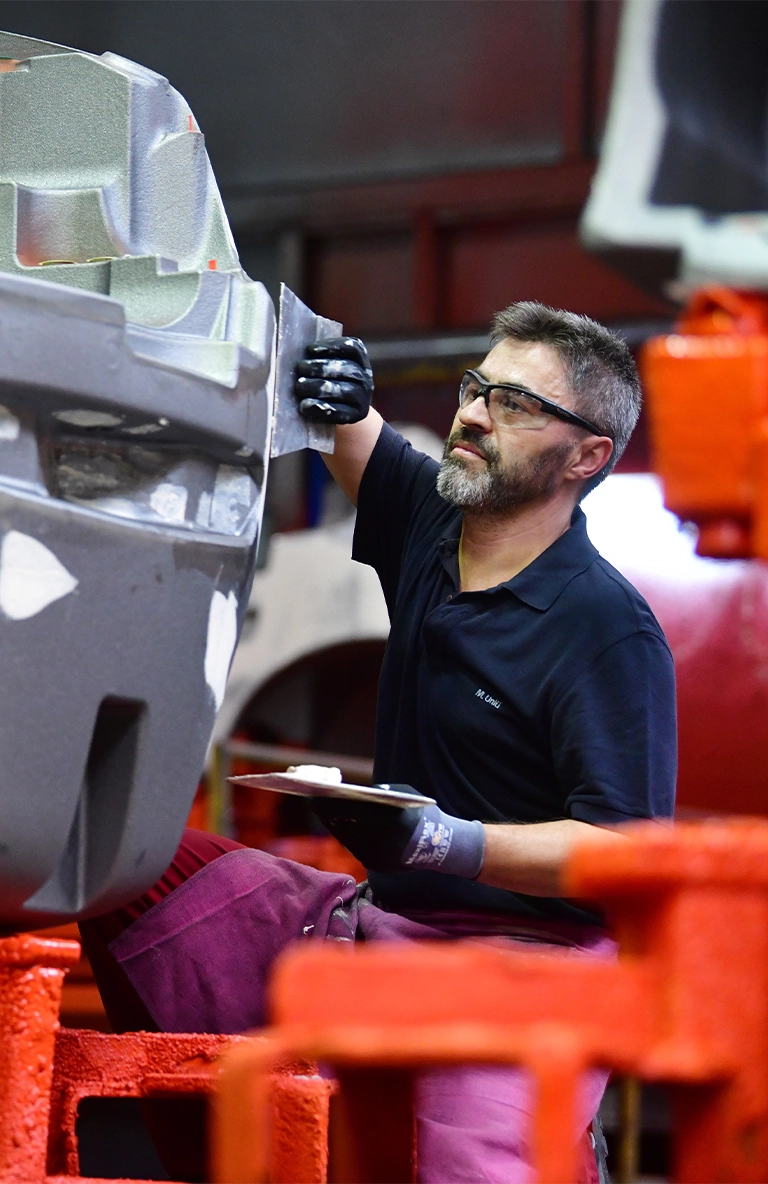
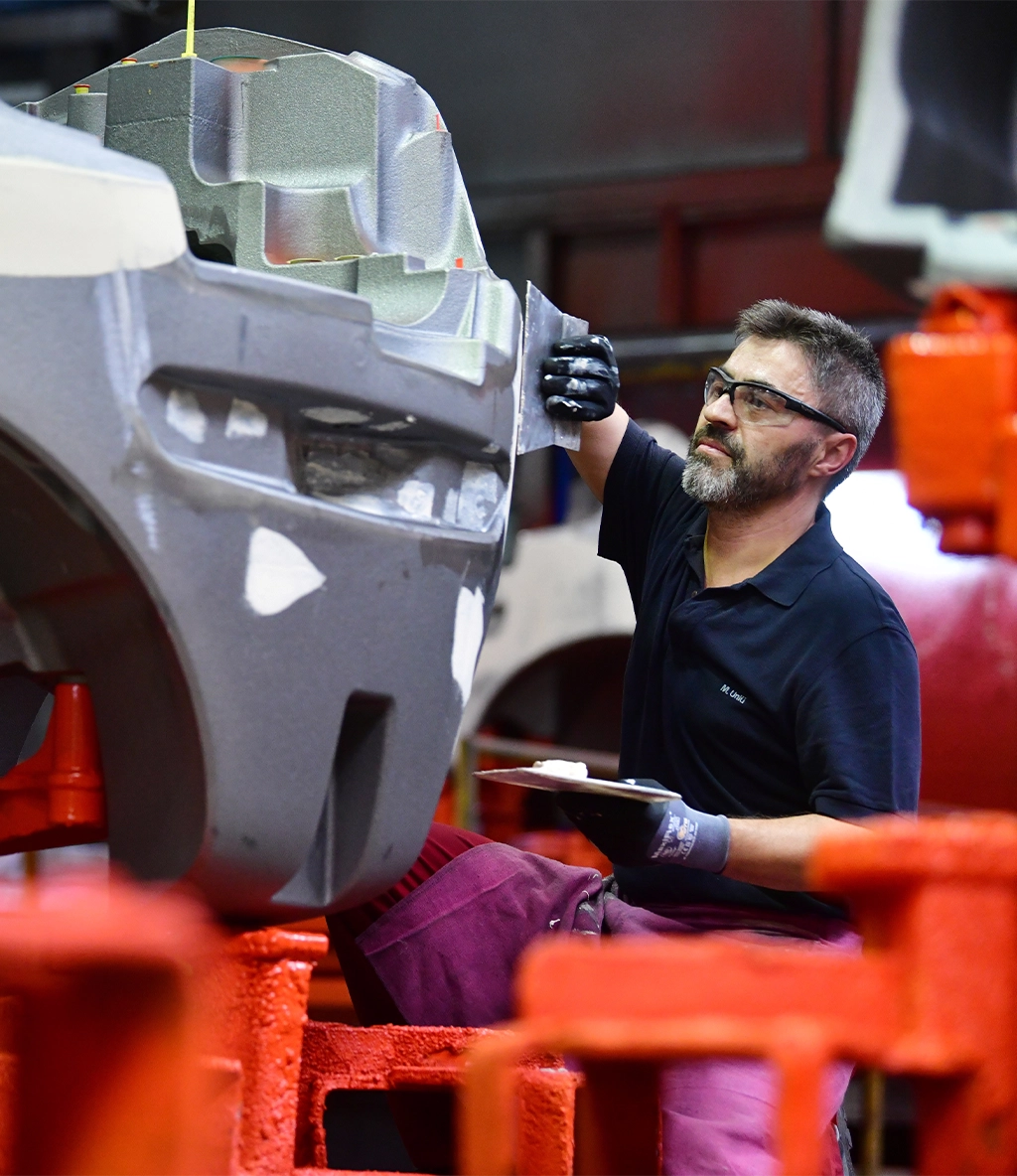
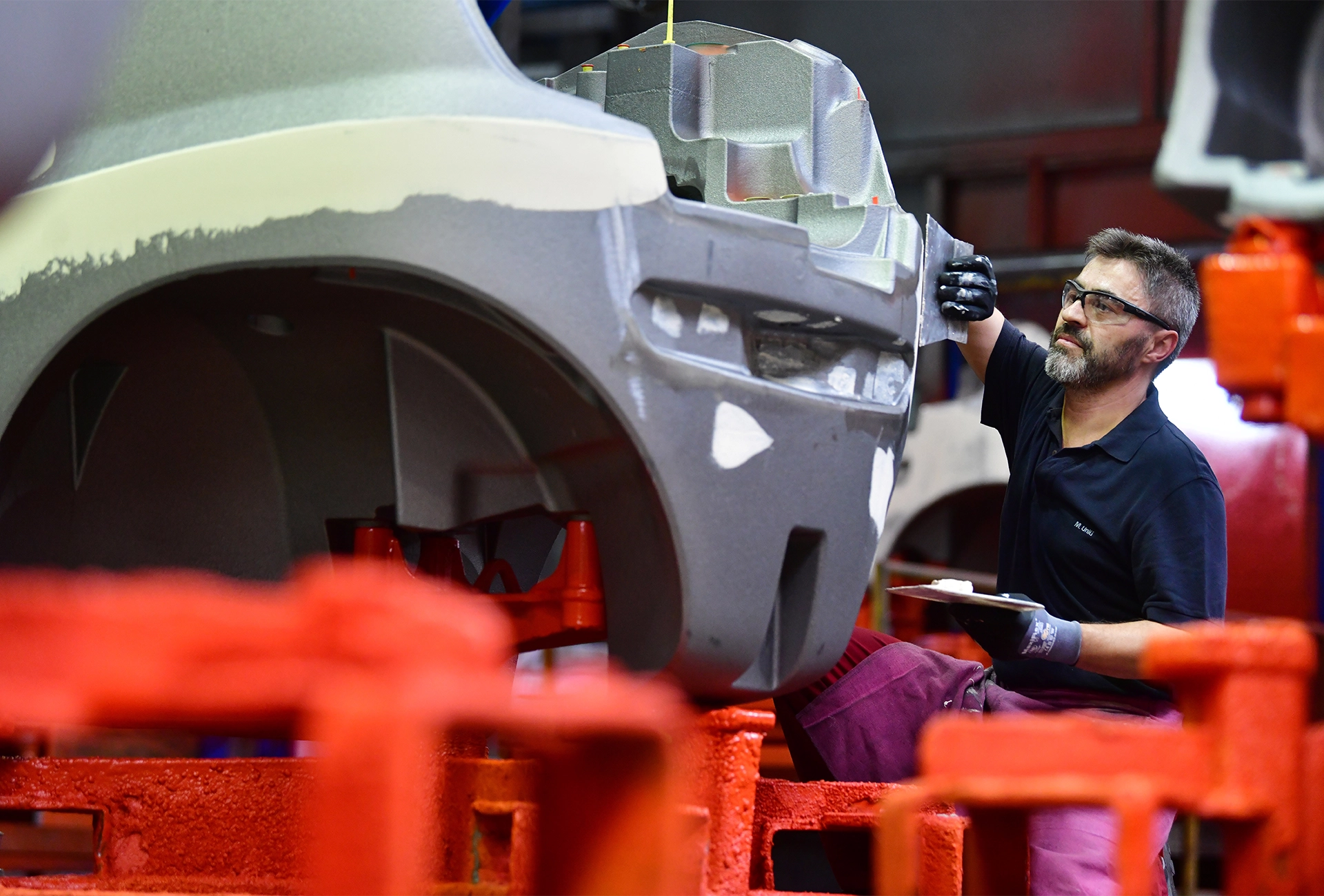
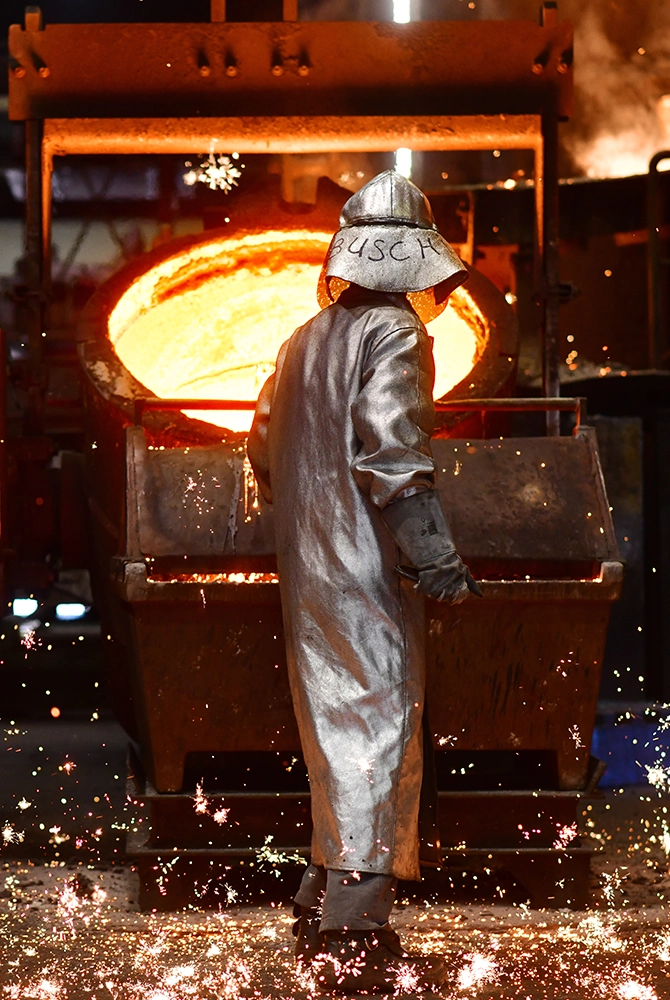
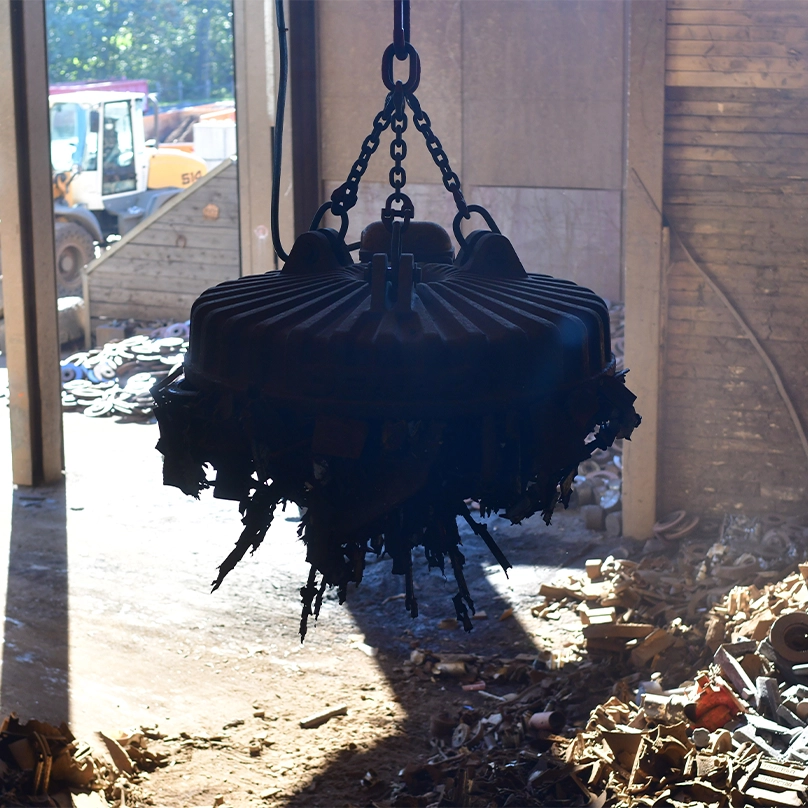
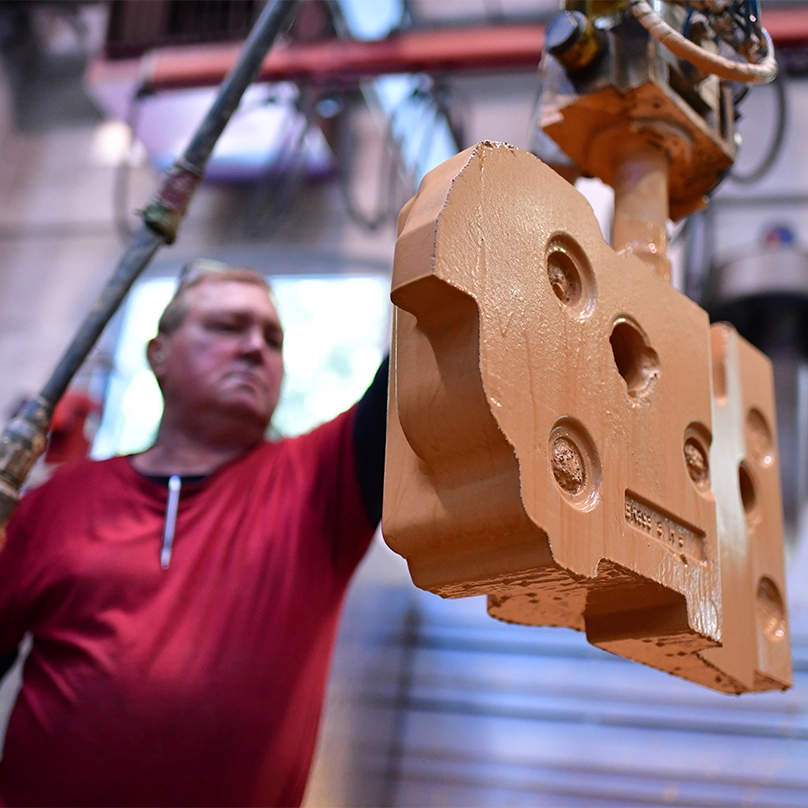
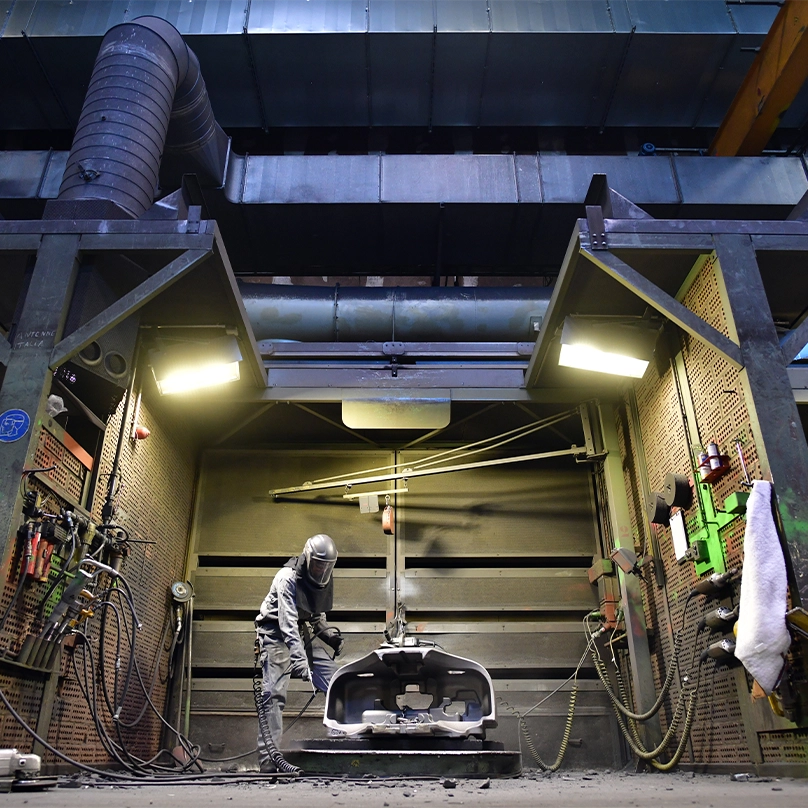
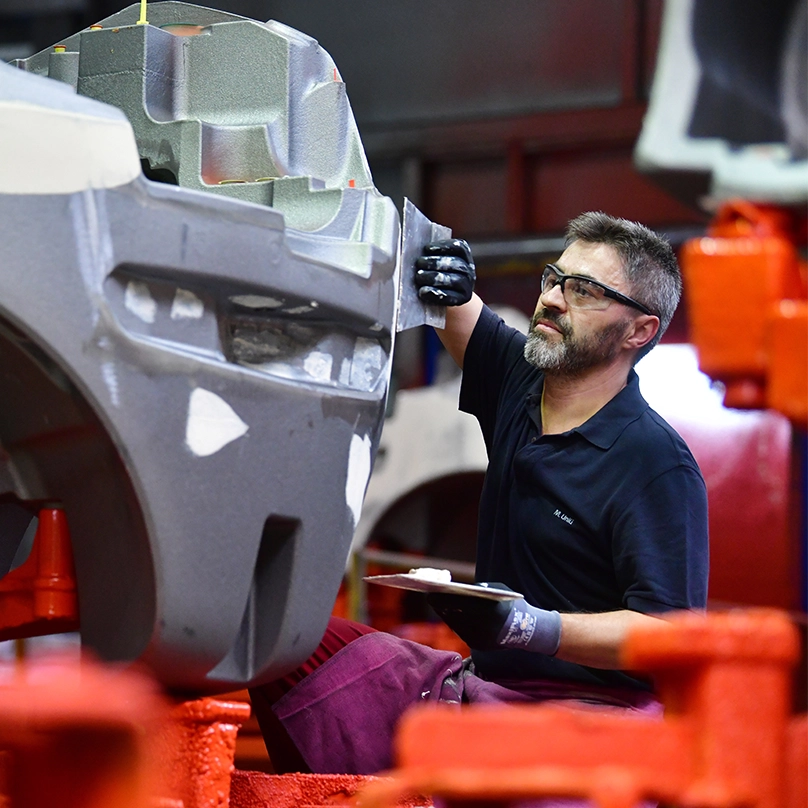
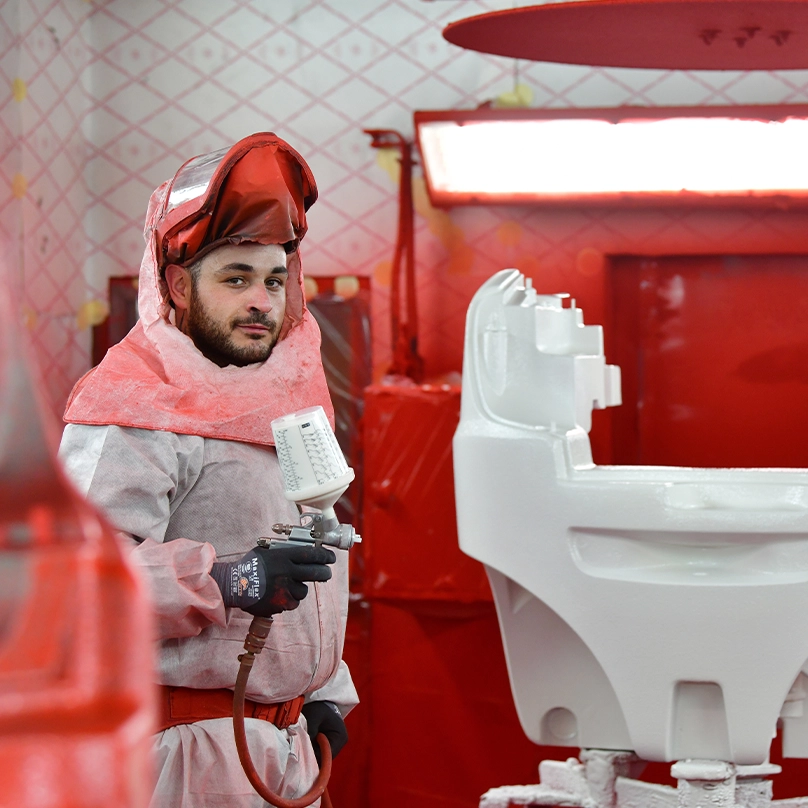
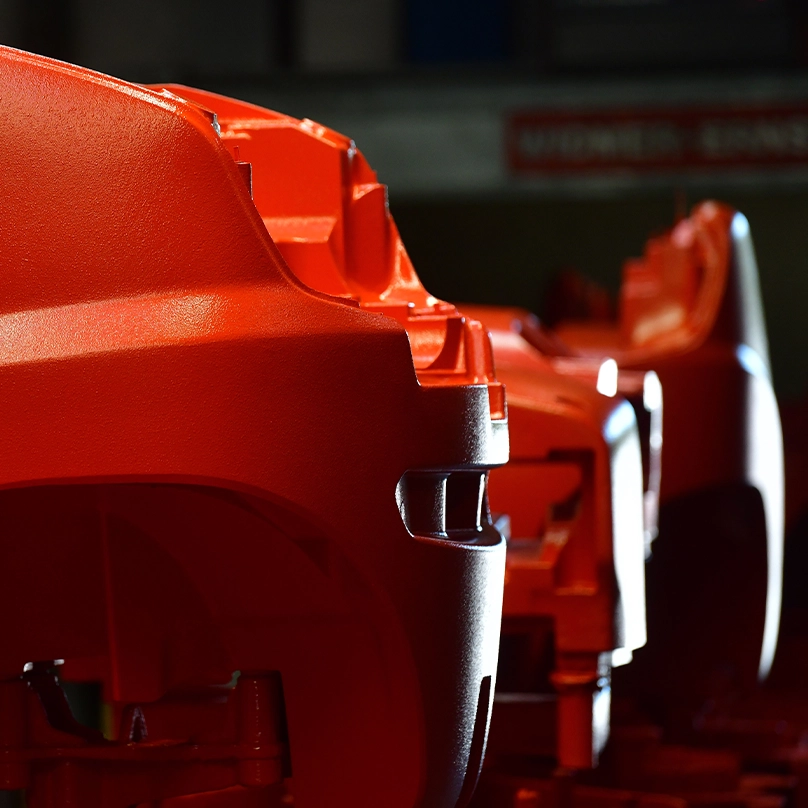
At Linde Material Handling’s Plant 4 in Weilbach, sustainability is evident in a particularly concentrated form. This is where the counterweights for forklift production in Aschaffenburg are manufactured—exclusively from recycled cast iron scrap. What may look like a massive block of iron from the outside is, in fact, a highly important vehicle component and at the same time the result of a production concept consistently designed around resource conservation. Old radiators, brake discs, manhole covers, and even returned counterweights are fed back into the material cycle and processed into new components.
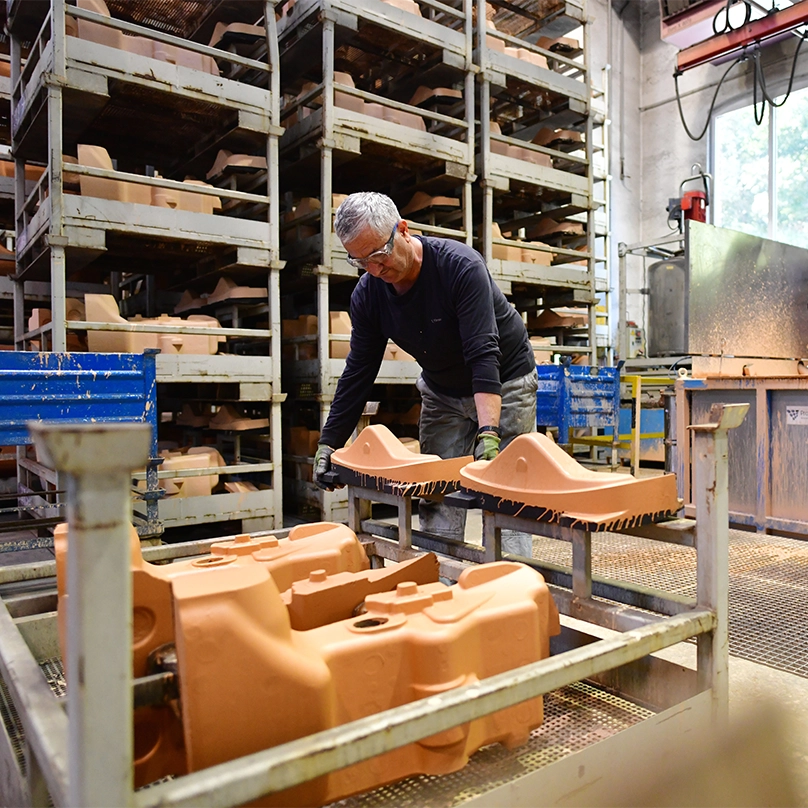
But the process follows the principles of a circular economy beyond the metal itself as well. The quartz sand required for the casting molds is bonded on site, recaptured, and mechanically reprocessed. In the future, metal shavings from machining will also be compressed directly at the plant and fed back into the melting process. In this way, raw materials remain in circulation for as long as possible.
Particular focus is placed on the melting process itself. The plant still uses coke, but since 2022 it has been testing biocoke made from renewable raw materials. The goal is to replace part of the fossil fuel in the near future. Over the medium term, the plant also plans to switch to electric melting technology powered by green electricity—a key component of its “2035 plus” strategy.
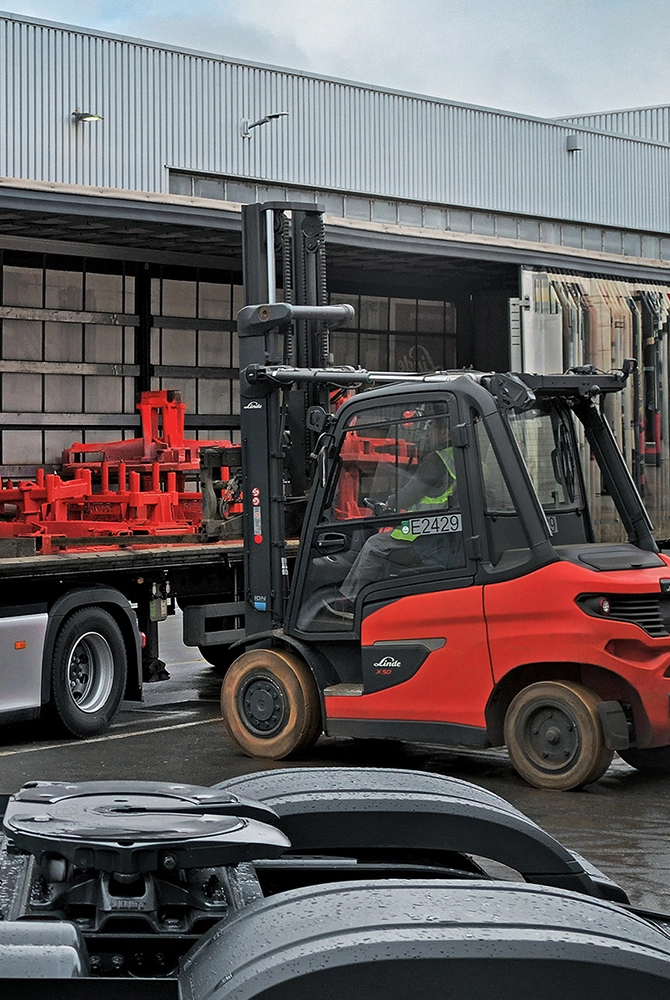
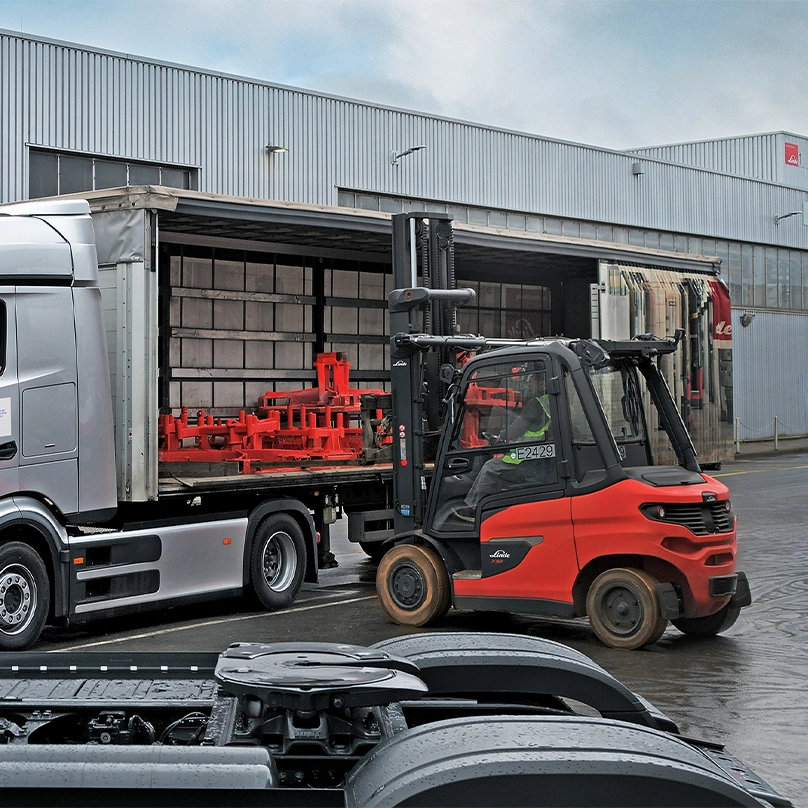
This path is supported by targeted investments in energy efficiency, ergonomics, and production safety. And Weilbach is also taking the next step in logistics: two electric trucks transport the counterweights to the Aschaffenburg plant at close intervals. In this way, sustainability does not stop at the plant gate, but continues throughout the supply chain.
Stimulus: Confidential Support During Difficult Times
Good Employer
Social commitment at Linde Material Handling is reflected not only externally, but also in the way the company looks after its own employees. Psychological strain has long since become part of everyday working life for many people, regardless of function or hierarchy. To support employees during challenging phases of life, Linde MH in France relies on the external counseling program Stimulus Care Services. What began in 2020 at Fenwick-Linde France as practical support during the COVID-19 pandemic has since become an integral part of health care provision across the French sales and service organizations.
The program is available to all employees and is delivered by external psychological professionals. Confidentiality, data protection, and anonymity are top priorities. Its aim is to provide early support in cases of psychological stress, help people cope better with stress and conflict, and strengthen personal stability in both professional and private life.
The access options are intentionally low-threshold: counseling is available by phone, chat, video, in writing, and via a web platform or app. In addition, resources for health promotion and self-reflection are provided, including articles, podcasts, videos, and webinars.
More than 4,200 employees in France now have access to the program. Experience shows that offers like this are especially effective when they are implemented professionally and supported jointly by managers, HR, health management, and employee representatives. That is exactly where the strength of Stimulus lies: in a reliable, discreet support service that shows employees they do not have to face psychological strain alone.
Electric forklifts have been standard equipment in countless industries for decades, while conventional drivetrains still dominate the commercial vehicle sector. Yet this is precisely where there is not only considerable potential for reducing greenhouse gas emissions that contribute to climate change; the latest generation of electrified trucks and vans is also increasingly impressive in terms of performance. The best proof is a recent project by Linde MH, carried out after a 2024 feasibility study into low emission commercial vehicles for its plants in the Lower Main region.
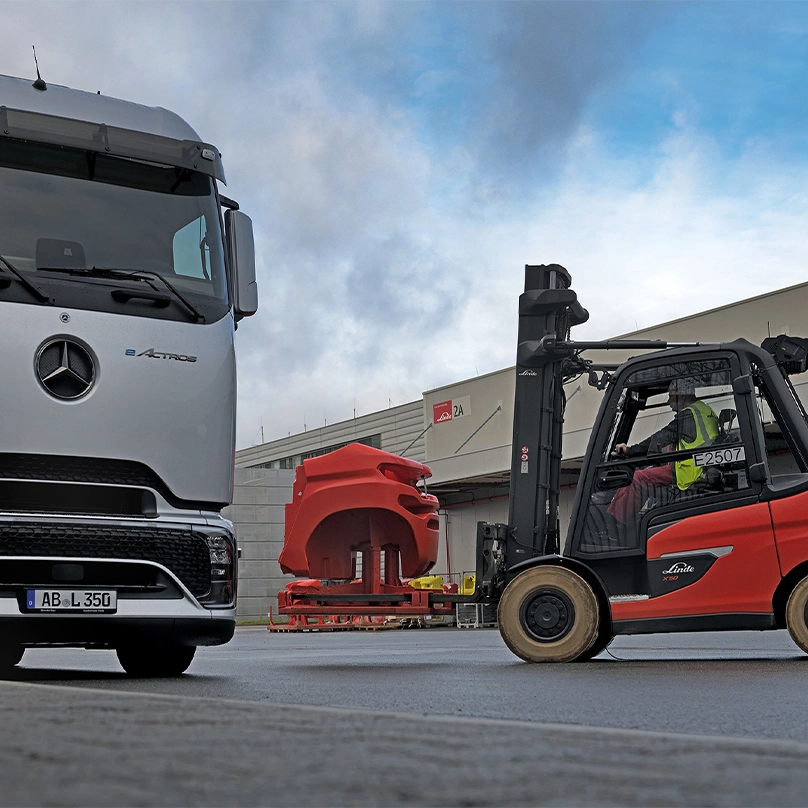
At the beginning of 2026, a total of twelve electrified commercial vehicles joined Linde MH’s plant logistics fleet: Ten vans with a permitted gross vehicle weight of up to 3.5 tonnes are now operating between sites in the Aschaffenburg region. Their tasks range from supplying the cafeterias and carrying out service trips to handling internal transports between Linde MH headquarters, Plant 2 in Nilkheim, the Regional Distribution Center in Kahl am Main, and the foundry in Weilbach.
“The 12 new electric commercial vehicles are just the beginning. We are consistently driving forward electrification—and thus emissions reduction. As part of this effort, we are, of course, also gradually expanding the necessary infrastructure on the factory grounds.” Franz Huber, Project Manager for Energy Solutions at Linde MH
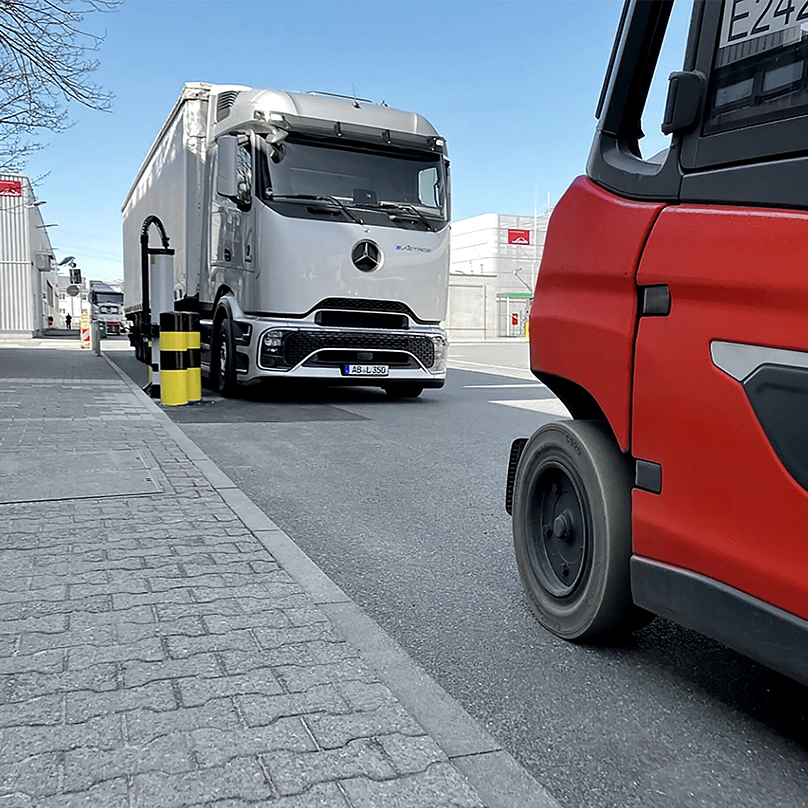
That electric-powered commercial vehicles also manage heavier-duty work is demonstrated by their “big siblings”: two fully electric semitrailer tractors. These 42-ton trucks shuttle between Aschaffenburg and the foundry in Weilbach, 36 kilometers away, transporting multi-ton counterweights for Linde forklifts to the assembly plant. Thanks to their 600 kWh batteries, the trucks can achieve ranges of up to 500 kilometers. They can be charged both in Weilbach currently using a mobile 75 kW charger and at several 200 kW charging points on the Aschaffenburg plant site.
According to current calculations, operating the twelve vehicles has the potential to reduce CO2 emissions by around 180 metric tons per year compared with commercial vehicles powered by conventional internal combustion engines. The actual savings achieved will be incorporated into the 2026 climate footprint. The vehicles and parts of the charging infrastructure were supported under the KsNI funding guideline of the German Federal Ministry for Digital and Transport.
Which aspects does a Life Cycle Assessment (LCA) consider throughout a product’s life cycle?
Correct!
Unfortunately, that is not correct.
An LCA considers not only a product’s production and energy consumption during use, but its entire life cycle - from raw material extraction and manufacturing through use to disposal or recycling.
LCAs as a Basis for Better Product Decisions
Live Cycle Assessment
Anyone aiming to make products more sustainable must understand their impact across the entire life cycle. This is exactly where Life Cycle Assessments and Product Carbon Footprints come in at Linde Material Handling. They make it visible where particularly relevant environmental impacts arise—ranging from raw material extraction, manufacturing, and transportation to product use, maintenance, repair, and end-of-life. The approach consistently follows the cradle-to-grave principle.
The analyses show that the use phase is the largest source of greenhouse gas emissions for many trucks, provided customers rely on a conventional energy mix. As a result, energy-efficient drive systems are becoming an increasingly important focus—both for internal combustion solutions and for the continued development of high-performance electric technologies. While the Carbon Footprint specifically evaluates GHG emissions, the Life Cycle Assessment takes a broader view of environmental performance, including factors such as water scarcity and water quality.
To ensure these insights have a real impact within the company, KION invests in robust methodologies and targeted training. Since 2024, corresponding training programs have been offered to employees, and in 2025 additional e-learning modules were introduced for an even broader audience. In this way, life-cycle-oriented thinking is being integrated step by step into everyday product decision-making. In the 2025 reporting year, new LCAs were also completed for four Linde truck series. Another milestone is the independently ISO 14067-verified Product Carbon Footprint for the Linde N20 order picker. For customers, this creates transparency around Scope 3 emissions—and therefore provides an important foundation for meeting ESG requirements and making more climate-friendly decisions.